Career Opportunities After DMLT in Agra

Your stepping stone to success DMLT in Agra is believed to open the door for most possible careers related to the health sector. It has a hold on certain primary laboratory skills, which is appropriate for students with an interest in gaining knowledge in diagnostic sciences. With reference to the scope of education on DMLT at the DPMI Paramedical College, the people of Agra might face the necessity of seeking more education with regard to different industrial alignments in so many different areas.

Why DPMI Paramedical College is the Best DMLT in Agra

Feature Description

  • Contemporary Amenities With all modern lab equipment for practical exposure.
  • Experienced faculty professors with actual industry experience.
  • Hospital and Clinic Networks Strong relationship with the hospitals and clinics for practical training.
  • Career-Focused Curriculum are set to help the student with a good hands-on experience for an effective preparation for the workforce.

It is this learning one receives through DPMI, combining student experience with classroom study and real experience in the lab. This is where all the difference is experienced when one has an excellent professional career in the field of medical laboratory technology.

Here are some of the best job opportunities after DMLT:

Most students graduating from this topmost DMLT college in Agra completed the course after finishing their DPMI to come here on this program ready and awaiting in front of them the array of job opportunities calling them into the healthcare system. 

  1. Medical Laboratory Technician:

These are sample analysis professionals in the lab concerning blood, tissue samples, etc., who assist doctors to make proper diagnostic decisions. As a result of the surge in demand in the health sectors, qualified technicians in the paramedical field, through DPMI College, are still capable of gaining permanent employment.

  1. Pathology Technician

The pathology laboratory is the place where samples are prepared and handled. State-of-the-art facilities at DPMI equip students to work effectively; thus, the students will be prepared to work in hospitals, clinics, and laboratories.

  1. Laboratory Manager

DMLT graduates with experience can be a laboratory manager, wherein they run the lab, see to it that it is working within the confines of the regulations, and head teams working in the laboratory. Such skills are developed at DPMI Paramedical College in Agra.

Core Skills Acquired from the Top DMLT College in Agra

Skill Application

  • Analytical Skills Guarantees accurate analysis and reporting of samples.
  • Diligence Important while preparing samples and accuracy while reporting the results.
  • Manipulation of Equipments Knowledge of operating the safe lab equipment like microscopes, centrifuges, etc.

Time Management: 

  • Balancing multiple sample analyses and reports efficiently.
  • Mastering these skills by DPMI Paramedical College graduates will be job-ready, hence at a competitive advantage in the job market.

Career Advancement Opportunities for DMLT Graduates:

DMLT is an elastic qualification, and one can always advance career through special laboratory area certifications or higher study like BMLT. The majority of DPMI Paramedical College graduates go further for higher studies to provide them with better equipping skills and open up more and more scopes of employment.

Higher Study after DMLT

BMLT (Bachelor of Medical Laboratory Technology): It takes deeper study on the sciences involved in the laboratory than the qualifying DMLT.

  • Specialisation Courses: Specialised diplomas in pathology or microbiology can be very effective for the graduates to acquire expertise.
  • Professional Certifications: Lab technologies’ certification can help them improve job opportunities and salary packages.

Job Sector of DMLT Graduates in Agra:

Plenty of scopes for job seeking are available for graduates in the best DMLT college in Agra by working in the following areas:

  • Hospitals and Clinics: Students work in the diagnostic labs under the supervision of doctors and pathologists
  • Diagnostic Centers: In any diagnostic center, there exists high-level equipment; hence, these require technically sound technicians combined with the latest lab techniques 
  • Research Facilities: Most DMLT students work on the research areas, engaging them in research and trials on the clinical level.
  • Blood Banks: Specialised graduate DMLT are given employment in blood testing or storing.

DMLT Salary in Agra:

The salary expectations of DMLT graduates are pretty good, and it increases with experience and specific skills. Here is an overview of what can be expected as a remuneration in different jobs:

Position Starting Salary (Approx.) Experienced Salary 
Medical Laboratory Technician ₹15,000–₹20,000/month ₹30,000–₹50,000/month
Pathology Technician ₹20,000–₹25,000/month ₹35,000–₹55,000/month
Laboratory Manager ₹30,000–₹40,000/month ₹60,000–₹80,000/month

After completion of the diploma from DPMI, the best DMLT college in Agra, the graduates will get a good salary and career advancement.

How DPMI Paramedical College Supports Career Success:

DPMI Paramedical College provides the students with counselling and networking, which helps the candidates connect with their potential employers. Since it is an institution that cares for its students and is willing to deploy them into jobs, DPMI stands to be one of the premier DMLT colleges in Agra.

Graduate from DPMI Paramedical College. the best DMLT college in Agra, offers promising prospects within the healthcare industry. Thorough curriculum, practical experience, and career support during graduation ensure that the professionals take the right path forward in medical lab technology.

FAQs

  1. What are the various job opportunities that the students get once they clear DMLT in Agra?

After completion, DMLT graduates are eligible for jobs like the lab technician, pathology technician, lab manager, etc. within health sectors.

  1. Why is DPMI Paramedical College the best DMLT college in Agra?

DPMI Paramedical College offers the best facilities, the most skilled teaching professionals, and a curriculum fully framed for job readiness purposes. 

  1. Can a candidate who has completed DMLT go for higher studies?

Yes, DMLT graduates can progress further for BMLT and professional certifications to enhance the opportunities as a career.

  1. What are the crucial skill sets required for professional progression in DMLT streams?

The skills include attention to detail, analytical skills, equipment handling, and time management.

  1. What will be the salary if I have completed DMLT from the best DMLT college in Agra?

Graduate DMLT Salary Starting pay is between ₹15,000 and ₹20,000 and increases with experience and skill level.

How DPMI Agra is Revolutionizing the Health Care-Paramedical Courses

Skilled paramedical professionals are needed in the fast-changing world of healthcare. Gone are the days when the healthcare industry only required doctors and nurses. With time, more is required than just doctors and nurses to run these sectors. Nowadays, such institutions as DPMI Agra are all the more important in filling the gap by imparting the best possible course. With hands-on training and constantly updated medical practices, DPMI Agra ensures well-prepared students in the face of the future healthcare.

Importance of Paramedical Education

Paramedical education form the backbone of the health care sector. Such educational support greatly helps the doctors with diagnostics as well as treatments apart from patient care. With an increasing health care industry, more paramedics become in demand due to the greater requirement for organized skillful paramedics. DPMI Agra keeps track of all such requirements that help increase the preparedness of students towards various occupations under the health care sector. The courses in DPMI Agra are planned as per the future needs of the health care sector, which enables the practical knowledge and experience among its students.

Why Join DPMI Agra?

Innovative Agra campus committed to excellence. Here are some reasons why students should join DPMI Agra’s courses in paramedical training:

  • Experienced faculty members: High class qualified and experienced faculty are being trained to train the next generation of healthcare professionals.
  • Infrastructure: The institute offers the latest labs and equipment, to ensure the students have knowledge of the recent tools used in the healthcare sector.
  • Curriculum: Courses include theoretical and practical progressions in paramedical education.
  • Hospital and Healthcare Alliance: DPMI Agra has hospital and healthcare collaborations to further support students during internship and exposure to the real world.

Courses Provided At DPMI Agra

DPMI Agra provides many courses in paramedical that shape the future of healthcare by giving the fields for specialization in a variety of branches according to the interest of students.

Diploma in Medical Laboratory Technology: This course deals with laboratory testing, diagnosis, and health assessments. At the end of the course, the student will be able to handle lab equipment and analyze medical results.

Diploma in Operation Theatre Technology (DOTT): Here students are trained to support the surgeon in the operation theater. Students are taught about sterilization, surgical instruments, and patient care.

Diploma in Medical Radiology Technology (DMRT): Teaches medical imaging, for example, X-rays, MRI, CT scans, etc. Students are trained to develop the skills to work on imaging equipment to interpret results.

Hands-On Training for the Future of Healthcare

DPMI Agra focuses on practical training. Practical exposures are believed to be the best way to prepare against future challenges in healthcare. The students spend considerable portions of their course in laboratories and healthcare setups. This helps students acquire necessary skills for the future of healthcare. Clinical exposure even enhances problem-solving skills, attention to detail, and patient management in the students.

Internship and Placement Opportunities

DPMI Agra believes that experience is the best teacher for a surgeon. The institute offers some of the most comprehensive internships to students. Students get the experience of working under the guidance of experienced professionals in hospitals and clinics. DPMI Agra has strong industry ties, which ensures excellent placement opportunities on graduation for the graduates. This is possible through its partnership hospitals and clinics.

Shaping Future Healthcare

The Paramedical Courses conducted by DPMI Agra get updated with the current trends in the health sector along with all the innovations they bring up. In the very near future, more healthcare facilities and infrastructures will require more knowledge-equipped paramedical professionals. Medical technology is going to advance much further. This indirectly gains an important place for the role of the paramedics. Hence, DPMI Agra is teaching students to learn endlessly and equipping them for the future of health.

Innovative Curriculum

DPMI Agra revises curricula from time to time so that it aligns with the changing nature of the healthcare industry. Students will be job-ready while being prepared for future technological advancement in healthcare. The courses train the students with critical thinking, research, and adaptability as desirable characteristics for professionals in the new healthcare.

Career Opportunities After DPMI Agra

Long Options DPMI Agra graduates have career prospects open before them. The healthcare sector is vast and fast-growing, with skilled paramedical professionals being recruited in different hospitals, diagnostic centers, clinics, and other institutions.

Some of the potential job avenues open for DPMI Agra graduates are:

  • Medical Lab Technicians: Graduates can work in the diagnostic laboratories and assist doctors through important medical tests.
  • Operation Theatre Assistants: These support the surgeons in carrying out the smoothest operations in the theatres.
  • Radiology Technicians: Good radiological technicians are efficient in using modern imaging technology. These are the people who help diagnose diseases.

Contributing to the Healthcare Revolution

The healthcare industry will never remain static. DPMI Agra is preparing its students for this revolution. By equipping them with the skills and knowledge that are available, the institute ensures that its graduates will be adequately prepared to face the challenges of tomorrow’s health care. The growing demand for trained paramedics combined with advances in medical technology means that the role of the paramedical professional will become ever more crucial.

Choose DPMI, Choose the Best

DPMI Agra brings excellence to paramedical education in building better futures for healthcare. The institute is training students so they can emerge leaders in the country’s healthcare sector with comprehensive courses, experienced faculty, and practical training. The increase in the demand made in the healthcare sector will see DPMI Agra front and center in that transformation as a source of skilled paramedics. The future of healthcare depends on well-trained professionals, and DPMI Agra makes all necessary efforts to meet those needs.

Follow us: facebook, Instagram

Paramedical Diploma Vs Degree: Which Is Good for Me?

Given the rising healthcare sector, there’s a dire need for skilled paramedic professionals. These students will often find themselves in a dilemma: whether to opt for a paramedical diploma vs degree. Each has its advantages. Understanding both will help you in reaching an informed decision.

Courses In Paramedical

These courses train candidates for various healthcare professionals, such as different healthcare professionals. These courses serve the purpose of preparing support towards the general medical profession by training students in the various roles of laboratory technicians, staff for radiology, and physiotherapists. To make this decision pertaining to which one is better, that is the paramedical diploma vs degree, first one must know the key characteristics of both of them.

What Is A Paramedical Diploma?

A paramedical diploma usually lasts for one to two years. Since these courses are centered on practical skills, students can acquire extensive hands-on experience within a short span of time. Some of the very common diploma courses are as follows:

  • Diploma in Medical Lab Technology.
  • Diploma in Radiology.
  • Diploma in Emergency Medical Services.

Benefits of Diploma In Paramedicine:

  • Early Incumbency at Work: Like degree courses, which require a substantial amount of time, diploma students take less time to get their diplomas. Thereby, the student gets an easy platform to join work soon.
  • Pocket-Friendly: However, diploma courses are somewhat cheaper compared to bachelor’s level.
  • Specialized Skills: These courses are of focused training for a specific profession.

What Is the Meaning of A Paramedical Degree?

Bachelor in Paramedical sciences is an undergraduate level degree that is of 3 to 4 years duration. Degree courses are more close to actual application of knowledge, complemented by, or accompanied with theoretical education. Among degree programs are:

  • Bachelor of Physiotherapy (BPT) 
  • Bachelor of Science in Nursing (B.Sc Nursing)
  • Bachelor of Medical Lab Technology

Advantages of Paramedical Degree:

  • Comprehensive Curriculum: Degree courses include a broad variety of subjects and convey more information about healthcare .
  • Better Career Prospect: Graduates are exposed to better jobs and salaries .
  • Admission to Higher Education: The degree course provides admission for postgraduate studies and specialization.


Paramedical Diploma & Degree

Comparison Between Paramedical Diploma vs Degree

Attribute  Paramedical Diploma Paramedical Degree
Duration 1-2 years 3-4 years
Cost Generally less Generally more
Curriculum Specialized and focused curriculum Broader and comprehensive curriculum
Career Prospect Entry-level job functions Higher job functions
Further Education Opportunity Limited possibilities Higher possibility


When it comes to making a decision between a paramedical diploma vs degree, one of the significant roles played is the career prospects. Both may lead to highly rewarding careers; their scopes may vary.

Career Prospects After Completing a Paramedical Diploma

  • Lab Technician: Assists in laboratory tests and diagnostics.
  • Radiology Technician: Manages the use of imaging equipment for diagnosing medical conditions.
  • Emergency Medical Technician (EMT): Provides emergency care and takes patients to areas where they can be better treated.

Career Prospects After A Paramedical Degree

  • Physiotherapist: Assists individuals to regain normal movement of limbs and overall body functions.
  • Registered Nurse: They handle the care and consultancy for the patients from the medical team
  • Healthcare Administrator: They take care of healthcare facilities and services.

Comparison of Salary

Salary potential is another significant factor to consider in the comparison of paramedical diploma vs degree. Earning is higher as a degree holder because the qualification that one holds through a degree is more important.

      Career 

Paramedical Diploma Salary

Paramedical Degree Salary
Lab Technician  ₹2.5 – ₹4 Lakh per annum  N/A
Radiology Technician ₹2.5 – ₹5 Lakh per annum  N/A
Physiotherapist N/A  ₹3 – ₹7 Lakh per annum
Registered Nurse  N/A ₹3 – ₹6 Lakh per year 5.

 Which Is Right for You

The choice finally depends on your goals and career objectives along with your financial situation. Choose the one that is right according to the following factors.

  • Time Commitment: A diploma would get you in the door quickly compared to a degree
  • Career Objectives: For higher positions and specializations, a degree is most often required.
  • Financial Planning: Assess your budget and preparedness to pay for degree-related tuition fees.

The paramedical diploma vs degree debate has each path with different merits. A diploma would have a shorter time to work, but a degree would include a deeper education and better opportunities for advancement in one’s career.


However, whatever route you take, this field of paramedical sciences promises a lot of growth opportunity and impact. Analyze your options and align them with your career goals, which will make for a very fulfilling journey in the health care sector. The right choice will lead you toward an extremely fulfilling career, and you will be able to make a meaningful difference in people’s lives.

Follow us: facebook, Instagram

Best Paramedical Courses After 12th in Agra – DPMI Agra

If you are looking for a rewarding and fulfilling healthcare career, then the best choice would be to take up courses after 12th in paramedics. This kind of study prepares students to specialize in health care concerning various medical fields and provides them with the much-needed work experience among doctors, nurses, and other health care professionals. With highly exceptional standards of medical education, Agra delivers the best paramedical courses after 12th that take you along the road to perfect career success.

Why Take Paramedical Courses After 12th?

After completing your 12th, you do get some frustrating times. What course to take can well be the question. The paramedical courses are regarded to be the ones with a relatively shorter duration compared to the regular medical courses and lay more emphasis on practical exposure. Therefore, if you want to enter the healthcare industry in a quick time with a sustainable impact and short span of time, then these courses are for you.

List of Best Paramedical Courses After 12th in Agra for Students

  • Diploma in Medical Lab Technology (DMLT)

A Diploma in Medical Lab Technology is one of the most sought after as well as in-demand courses after 12th. This course trains one to handle laboratory procedures, testing, and diagnosing other diseases.

Key Highlights:

Duration: 2 years

Eligibility: 12th pass with Science (PCB/PCM)

Career Opportunities: Lab Technician, Lab Manager, Pathology Labs

Average Salary: ₹2.5 Lakh to ₹4.5 Lakh per year

Why Choose This Course?

It renders on-job training and expertise in many medicinal tests, so it becomes an important course for the diagnosis of diseases. For those with sharp analytical skills.

  • Bachelor of Physiotherapy (BPT)

Physiotherapy is another promising option among the best paramedical courses after 12th. With the help of BPT, students learn the treatments of physical disabilities and impairments through exercise, manual therapy, and rehabilitation.

Key Highlights:

Duration: 4.5 years, in which an internship is also included.

Eligibility: Completed 12th with Science (PCB)

Career Opportunities: Jobs of Physiotherapist in Hospitals, Sports Centers, and Clinics

Average Salary: ₹3 Lakh to ₹7 Lakh per annum

Why Is It So?

BPT serves the purpose of practical exposure with actual patients. Such a diploma is thoroughly recommended to students who have an interest in sports medicine and rehabilitation.

  • Diploma in Radiology Technology (DRT)

Radiology is a science that diagnoses many diseases with the help of images through techniques such as X-rays, CT scans, and MRIs. A diploma in radiology technology develops the student in managing radiological apparatus as well as interpretation of images.

Highlights

Duration: 2 years

Eligibility: 12th pass with Science (PCB/PCM)

Career Opportunities: Radiology Technician, MRI Technician, Radiologist Assistant

Average Salary: ₹2.5 Lakh to ₹5 Lakh per year

Why Choose Radiology?

With increasing requirements for diagnostic imaging, the demand for radiologists and technicians is increasing in hospitals and diagnostic centers all over the nation.

  • Bachelor of Science in Nursing (B.Sc. Nursing)

Nursing is one of the most sensitive areas in the healthcare field. A B.Sc in Nursing prepares students to assist doctors and also nurse patients attentively.

What Comprises:

Duration: 4 years

Eligibility: 12th pass with Science (PCB)

Career Opportunities: Nurse, Health care Administrator, Educator

Average Salary: ₹3 Lakh to ₹6 Lakh per year

Why B.Sc. Nursing?

It is a tough career with job assurance as well. Nurses are needed everywhere in hospitals, clinics, and old age homes.

  • Diploma in Emergency Medical Technology (EMT)

EMT courses enable the learner to gain exposure to responding to medical emergencies. EMT is one of the first medical contacts that provides prehospital care in ambulances and other locations.

Key Takeaways:

Duration: 2 years

Qualification: 12th pass in Science (PCB)

Career Opportunities: Emergency Technician, Ambulance Services, Trauma Centers

Average Salary: ₹2.5 Lakh to ₹4 Lakh per annum

Who is This Course for?

If you are quick under pressure and need a high adrenaline pump in your job with a chance of saving lives, this course offers an exciting life in emergency services.

  • Diploma in Operation Theatre Technology (OTT)

In this program, the student learns about technical expertise to assist surgeons and make sure that the operation theater works smoothly. The surgical instruments are dealt with, and the equipment is sterilized and continued with all smooth surgeries.

Main Features:

Duration: 2 years

Qualification: passed class 12 with science as a major compulsory subject with PCB and/or PCM

Career Opportunities: OT Technician, OT Assistant, Surgery Coordinator

Average Salary: ₹3 Lakh to ₹5 Lakh per annum

Why OTT?

For those who want surgery but cannot be a surgeon, OTT provides a critical support role in the medical field.

  • Diploma in Dialysis Technology

Technicians in dialysis prove to be very helpful in treating patients with kidney issues. The course trains students to be well equipped with the skills involved in operating dialysis machines and carrying out patient care.

Key Features

Duration: 2years

Qualification: 12th science (PCB)

Career Opportunities: Dialysis Technician, Renal Care Specialist

Remunerations: ₹3L-₹5L per annum

  • Diploma in Cardiac Care Technology (DCCT)

Cardiac care technology is that course that deals with the diagnosis and treatment of heart-related issues. This is a course undertaken to get students ready for cardiologists during heart surgeries and procedures.

Key Highlights:

Duration: 2 years

Qualification: Any candidate with 12th pass with Science (PCB)

Career Opportunities: Cardiac Technician, Echo Technician

Salary: ₹3L – ₹6L per annum

  • Diploma in Anesthesia Technology

Anesthesia technicians are engaged in surgery by assisting the anesthetist in keeping patients in a sedation state. Thus, the course would be apt for those intending to take up surgical environments.

Key features:

Duration: 2 years

Qualification: 12th pass with science stream (PCB)

Job Opportunities: Anesthesia Technician, Surgery Assistant

Salary: ₹3L – ₹5L per annum

  • Diploma in Optometry

Optometry is a professional branch that deals with eye care. The Diploma in Optometry provides students with an eye checkup, diagnosis of vision problems, and assistantship to an ophthalmologist.

Key Highlights:

Duration: 2 years

Eligibility: 12th pass with Science (PCB/PCM)

Career Opportunities: Optometrist, Eye Clinic Assistant

Salary: ₹2.5L – ₹4L per annum

Why Only Agra for Paramedical Courses After 12th?

Not only is the Taj Mahal famous, but this city has also provided quality education. Many top institutes in Agra provide the best paramedical courses after 12th, which will vary according to your interest and career goals. If you have a feel for medical testing, physiotherapy, or cardiac care, Agra is full of all sorts of para-medical courses that would prove helpful in the future to achieve success. These courses provide hands-on experience and also open the door for excellent healthcare careers.

It is indeed the correct time now to make a social imperative since health professionals are in great demand. The number of aspiring candidates is large who enroll themselves in a paramedical course after 12th. Thus, taking up the right course in Agra can be the starting point today.

Choose DPMI As your Journey Partner in your Paramedical Degree

Choosing the best paramedical courses after 12th is very important. Be it a diploma or a degree, the courses in Agra provide all paramedical courses with plenty of opportunities to shine well in healthcare sectors. DPMI Agra offers courses such as Medical Lab Technology, Radiology, Nursing, and Physiotherapy that help achieve different kinds of results in the respective medical professions.

Given the demand for healthcare professionals, the scope of such paramedical careers is promising in terms of growth and stability as well as personal satisfaction. Therefore, if a person is interested in health care but is not ready to opt for the traditional MBBS career, these courses are a gateway to a fulfilling and successful career.


follow us: facebook, instagram

Which Paramedical Course Has More Scope? – DPMI Agra

The health industry is one of the most significant industries that have a significant impact on the economy of a nation. In addition to physicians, there is a strong demand for paramedical course, who serve as the backbone of the medical industry.

Paramedical, often known as “allied health forces,” provide aid to physicians, manage emergencies, and conduct other technical duties. If you are seeking Biology courses after 12th grade other than MBBS like DPMI, then this post on the list of paramedical courses will be helpful!

What is a Course in Paramedicine?

The best paramedical course in Agra focuses on emergency medical services necessary in a pre-hospital setting, such as an ambulance, and those who work in this field are known as paramedical. These courses are job-specific and need comprehensive medical training for real-world situations.

The paramedic profession is lucrative and occupies a prominent position in the medical field. Unlike standard MBBS, a paramedical course in Agra is available in post graduation, degree, certificate, and certification forms.

After completing the 12th grade or after receiving a bachelor’s degree, it is possible to enroll in a prestigious paramedical course in Agra. The primary fields of paramedical sciences are spinal injury management, obstetrics, burn management, and accident evaluation. There is a list of the best paramedical course in Agra along with information about each.


Types of Paramedical Course

There are three primary types of best paramedical courses in Agra:

  • Degree Paramedical Programs – The length of degree in a paramedical course in Agra ranges from 1.5 to 4 years.
  • Diploma Paramedical Courses – The length of diploma paramedical courses ranges from one to two years.
  • Certificate Paramedical Courses – The length of certificate paramedical courses ranges from one to two years.


Admissions to Paramedical Courses in 2022

Here is an overview of admissions to the best paramedical courses in Agra, 2022:

  • Visit the official website of the university or institution of your choice and review the entrance requirements for the paramedical program of your choice.
  • Applications for admission to a paramedical course in Agra typically open in July or August of each year. Candidates can fill out the application form and pay the application cost online before uploading the relevant documents.
  • To register for paramedical courses in Agra, Uttar Pradesh, you may also be required to pass exams such as NEET UG & PG, AIIMS, MHT-CET, Occupational English Test, etc. Many universities also employ a merit-based shortlisting system.


Paramedical Course Entrance Exams

The following are some of the most typical paramedical entry exams:

  • AIIMS – AIIMS offers undergraduate and graduate programmes for paramedical students and administers its medical entrance exam. This examination is given in May, and the application process begins in February. Students interested in applying to AIIMS can register for this exam online.
  • NEET PG – Candidates interested in studying MS/ MD or other PG courses are required to take this exam, which occurs in January and for which registration begins in August.
  • MHT-CET – MHT-CET is an annual state-level entrance exam administered by the Maharashtra government. This May examination is available to students interested in MBBS, BAMS, BPT, BDS, Bachelor of Occupational Therapy, Bachelor of Audiology Speech-Language Pathology, and B.Sc. nursing courses.
  • NILD CET / SVNIRTAR CET / NIEPMD CET – Ministry of Social Justice & Empowerment – Admission to Bachelor’s programmed at the National Institute for Locomotor Disabilities (NILD) Kolkata, Swami Vivekananda National Institute of Rehabilitation Training and Research (SVNIRTAR) Cuttack, and National Institute for Empowerment of Persons with Multiple Disabilities
  • JCECE- Jharkhand Combined Entrance Competitive Examination (JCECE) is a state-level entrance examination for individuals seeking admission to a variety of undergraduate programmed in Jharkhand.

Premier Paramedical Course in Agra

1.  B.Sc. in OTT (Operation Theater Technology)

This course focuses on specialization in operating theatre technology, as suggested by its title. If you aim to earn a degree in this field, you will have a deeper grasp of how the operating room in a hospital functions, from operating equipment to aiding with surgical procedures.

2.  BSc Radiology

This course examines the technical aspects of how medical equipment operates. You will be proficient in operating machines such as M.R.I. and C.T. scans and will be able to analyze the reports thoroughly upon completion.

3.  Bachelor’s in Audiology and Speech Pathology

The focus of this course is on communication difficulties. Audiologists diagnose, quantify, and investigate hearing impairments. Speech therapists and speech-language pathologists collaborate to identify the causes of communication difficulties and coordinate rehabilitation strategies. These graduates can work in hospitals, rehabilitation centers, non-governmental organizations, etc.

4.  Certificate in Rural Health Care

This course examines rural sanitation, first aid, and other medical amenities. This course is designed to educate students about basic health facilities and emergency response in underdeveloped regions.

5.  Certification in Community Health Care

This course examines the provision of healthcare and other medical services to specific communities or groups. This course is comparable to a certificate in rural health care. This training will educate you to respond to and manage large-scale medical emergencies.

5 Brilliant Tips for Diploma in Paramedical Courses – DPMI Agra

Individuals who complete a diploma in paramedical courses are transformed into allied healthcare workers. Paramedics provide direct patient care, rehabilitation, therapy, diagnostics, and health promotion initiatives to help patients regain their minimally optimum functioning.

Paramedical diploma courses list in Agra, Uttar Pradesh is career-oriented. These develop the learners’ abilities in accordance with the requirements of the healthcare business.

Why Choose a Career in Paramedicine?

  • Due to the rise of the healthcare business, a diploma in paramedical courses provides several work options. This is true not just in PAN India, but also in other parts of the world.
  • These are career-oriented courses that develop an individual student into a qualified healthcare practitioner.
  • Certificate and diploma programs provide speedier and more affordable entry into the healthcare business.
  • Due to the pandemic’s expansion, an increasing number of competent and certified paramedics are necessary to bolster the healthcare industry’s backbone.
  • Career advancement and opportunities are many and diverse, making it a lucrative alternative.
  • In India, the number of trained and qualified paramedics in various disciplines and specialties remains low. As a result, the need for a diploma course in paramedical in Agra, Uttar Pradesh is increasing.
  • If you want to make a difference in someone’s life, then enrolling for a diploma in paramedical science study to become a paramedic may be a wise decision.
  • It is both a tough and rewarding career. No two patients are the same, and no two days are alike.
  • It provides an opportunity to interact with individuals from different walks of life.

After Completion, the Paramedics’ Role

DPMI is providing the best diploma paramedical courses in Agra, Uttar Pradesh because paramedics are a vital part of the medical system, assisting physicians in diagnosing, treating, and delivering medical care to unwell or injured persons. This includes, but is not limited to, reporting, recordkeeping, supply management, and infection control.

  • They provide drugs orally or by intravenous injections.
  • They provide assistance during surgical operations such as the insertion of a breathing tube.
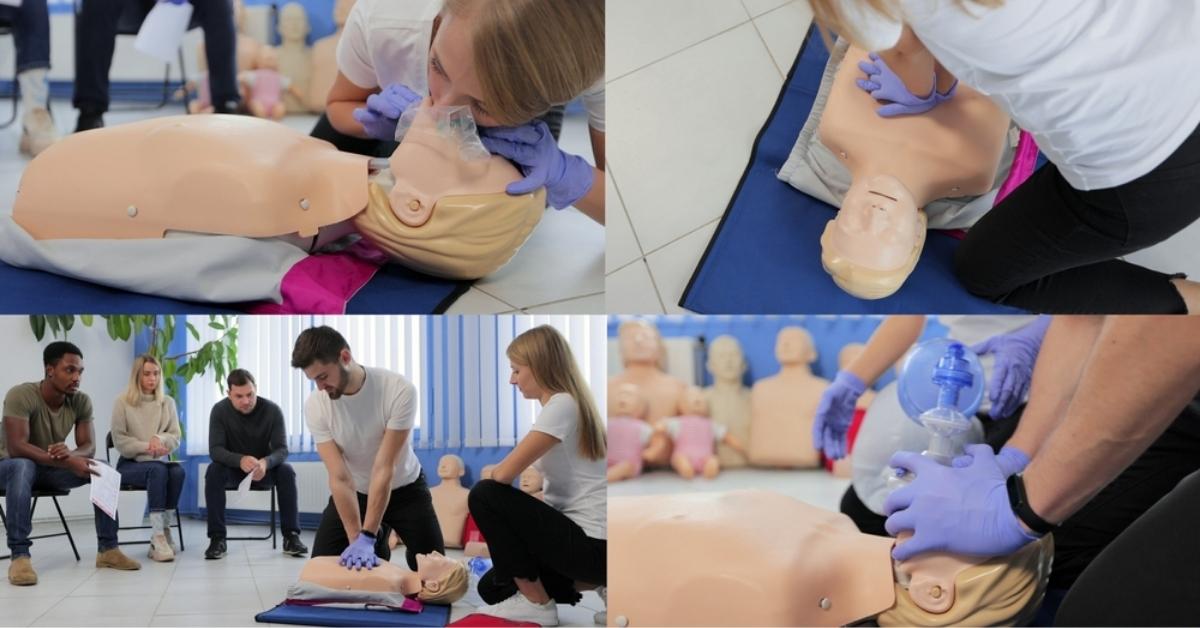
  • They are trained to administer cardiopulmonary resuscitation using a defibrillator or shock device.
  • They aid in the administration of first aid and the treatment of wounds and injuries.
  • They provide education to patients and their families.
  • Patients are rehabilitated by paramedics.
  • They supervise laboratories or clinics and aid in illness diagnosis through the use of blood tests, X-rays, MRI, CT scans, and ultrasound, among other diagnostic tools.
  • They work as technicians/pharmacists, operating medical equipment and reading results such as the electrocardiogram (ECG).

Levels of Paramedical Education

  • Program of certification
  • Diploma programmes
  • Advanced Certificate
  • S. in paramedical sciences
  • Coursework for a master’s degree in paramedical sciences
  • Doctoral programmes

After finishing a paramedical training, the paramedical team works at a hospital.

Here are 5 Brilliant Tips for Diploma in Paramedical Courses

Look Over The Syllabus For The Paramedical Course You Want To Take

If you’re unsure which course to take, looking over some of the issues and topics covered in the course will help you decide. The subjects and topics covered will help you judge the course’s complexity to some level. You will be able to comprehend not only the difficulty, but also the nature of the course and the area of specialization in which you will be trained and qualified after graduation.

For example, students studying B.Sc. Ophthalmic Technology learn about the fundamentals and principles of the eye, its ailments, and the many treatments for those diseases and illnesses. In the meantime, the Bachelor of Physiotherapy programmes prepares students to treat a variety of muscle-related ailments and disorders. Despite the fact that both are paramedical specializations with 4-4.5 year programmes, graduates of one will not be able to assist in medical procedures relevant to the other. In other words, these are specialized courses that are designed to train students in a single area of specialization.

Recognize Your Advantages And Disadvantages

One of the most crucial aspects of choosing a course is to consider one’s own skills and shortcomings. The strengths and weaknesses mentioned here apply to your academic strengths and limitations. This is one of the places where the preceding point comes in handy, because the students will be able to determine if there are any themes or topics with which they are unfamiliar.

Now, one cannot choose a course solely on the basis of their strengths; each course will have subjects, issues, and activities that may be tough for the students to complete. As a result, when choosing a course, your course strengths should outnumber your course disadvantages.

Pursue Your Passions

Your hobbies and passion for a course or subject, as corny as it may sound, will have an impact on how your career develops in the long term. Keep in mind that pursuing one’s passion and following one’s interests are two different things. While hobbies can help you choose between many paths, passion is what will keep you satisfied in the long term.

However, if one wishes to keep themselves happy while pursuing a profession in their chosen field, it is always important to follow one’s passion. As a result, before deciding on a paramedical specialty, consider whether a career in that profession would pique your interest in the long run.

Examine Your Job Prospects

The main reason for choosing a technical or professional education is the course’s job possibilities. At the end of the day, every young person will be obliged to live alone at some point, which will necessitate them earning a living in order to live comfortably.

Checking the employment prospects of the paramedical courses of interest is thus a recommended approach of narrowing down the options. Career prospects do not refer to job options after graduation, but rather to opportunities for professional and personal growth within the area. While paramedical courses may offer similar job opportunities, each course will be unique.

Examine Trends And Opportunities In Placement

In support of the preceding argument, candidates should research and investigate the placement trends and chances for various courses. While placement chances and trends are influenced by a variety of factors such as the institution’s reputation, the degree level, and so on, it is nevertheless advisable to research the course’s placement trends in general as well as at the institute where you desire to follow the course.

The points mentioned above are some of the most important considerations to make when choosing a course. However, as an aspirant, you should be aware that a variety of other personal circumstances can influence your decision. For example, you may be unable to leave your city or town for personal reasons, and the course of your choice is not offered at any of the local universities. In this instance, you may be compelled to choose a comparable course to the one you previously selected.

All of these are excellent paramedical courses that pay well.

Admission To Paramedical Courses

  • To enroll in the undergraduate certificate and diploma programmes, students must have completed 10 + 2 with a minimum of 40% marks from a recognized university or board.
  • A legitimate, recognized Bachelor’s degree is required for postgraduate studies.
  • Additionally, a Masters’ degree is required for admission to a PhD programmes.
  • The majority of paramedical programmes do not require the NEET test for admission.

The Cost of Paramedical Courses

The approximate cost structure for various paramedical programmes at private universities is as follows:

  • 35,000/- for a certificate course
  • 66,000/- for Diploma Program
  • 1,29,000/- for advanced diploma
  • 2L-4L/- for Bachelor’s and PhD degrees

Professional Paramedics Must Possess the Following Competencies

  • In many crucial situations, the manner in which a paramedic administers early care might be the difference between life and death. Rapid analytical and critical thinking abilities, as well as interpersonal skills, are all necessary characteristics of a paramedical practitioner.
  • In addition to formal training, a paramedic must possess numerous personal characteristics and soft skills. A paramedic should be aware of his or her surroundings – both in the classroom and on the street.
  • He or she should be physically and psychologically fit – the working environment might entail a variety of weather conditions, both indoors and outdoors, physically difficult circumstances, and occasionally mental stress. Paramedics should maintain their composure under hectic situations – when all eyes are on you, watching your every move, it is critical to maintain your composure and professionalism.
  • He or she should possess superior problem-solving abilities as well as critical and creative thinking abilities — life-saving talents may be required to be done in confined areas. One must determine the most effective method of exercising these life-saving abilities, which may at times be an unorthodox one.
  • Attempting to learn from mistakes — if something is incorrect, take a step back and re-evaluate.
  • He/she should have strong communication skills — paramedics’ ability to interact and empathies with patients is critical, as it enables patients to feel at ease and explain their difficulties effectively.
  • He or she should be capable of making difficult judgements and suitable decisions – intubation of a choking patient, glucose administration to a hypoglycemic patient, and so on.

Possibilities for Employment Following Paramedical Courses

Among the job roles that paramedical schools may prepare you for are the following:

Operating theatre technician—A member of a multidisciplinary team responsible for the preparation and maintenance of operation theatres. OT technicians provide support to the anesthetics and surgical teams during the perioperative period, which includes all pre-, intra-, and post-operative activities inside a hospital.

Emergency medical technicians (EMTs) are healthcare professionals that specialize in providing emergency medical care.

Medical laboratory technician—Healthcare workers trained in performing laboratory tests and in initiating the treatment procedure.

Phlebotomists are experts that collect blood from patients for clinical and medical tests, transfusions, and research contributions.

Hospital administrator- A group of persons who are responsible for the human resources, law, and financial elements of a hospital, as well as the control, direction, and administration of healthcare facilities.

The Most Effective Recruiters For Paramedical Courses

You may achieve quite a lot in the field of Paramedical Sciences. There are countless opportunities to obtain respectable work and thrive in this sector.

  • Laboratories in Hospitals
  • Services de santé internationals
  • Public health services
  • Banks of blood
  • Forensic Laboratories
  • Laboratories for Clinical Research
  • Educational establishments
  • Veterinary clinics
  • Non-governmental organizations that provide care

Reimbursement For Paramedical Training

It is highly dependent on:

  • The organization’s standard
  • Individual’s abilities
  • Professional experience

Salary Following Completion of Paramedical Courses

All of these degrees provide doors to a world of opportunities and pay well.

  • Salary after the completion of the course ranges between 2,20,000 and 10,00,000 lakh per annum.
  • Trainee executives might earn between Rs.10,000 and Rs.20,000 per month.
  • However, a trained and experienced expert might make more.
  • The government is a model employer, paying between Rs.30,000 and Rs.40,000 per month in salary.
  • Senior personnel at prestigious hospitals and laboratories make much more than Rs.40,000 per month.

Apart from this, many healthcare institutions provide health care benefits to their employees, such as health insurance, retirement plans, and leave benefits.

Conclusion

Paramedics with the appropriate training are urgently required. This area provides competitive compensation and a diverse range of employment options.

It’s an incredible field in which to create a career in medicine in a very short period of time. Additionally, it is more affordable than traditional medical degrees such as MBBS. Paramedical courses provide a diverse selection of courses in several branches of the medical industry.

Thus, by following any of the paramedical degrees, you may open up a world of potential. It is the most sought-after professional path and the industry with the quickest growth rate.

FAQs | Diploma In Paramedical Courses

What does a paramedical course entail?

These are career-oriented courses in allied health sciences. These courses assist medical professionals and are also referred to as emergency or prehospital services.

What are the opportunities for paramedical education in India?

Paramedical practitioners are in great demand. The healthcare industry requires a large staff to meet the demands of an ageing population, increasing awareness, rising illness occurrences, preventative treatment methods, and enhanced diagnostic tools.

How long do paramedical courses last?

There are three types of paramedical courses.

  • courses leading to certification
  • courses of study and
  • degree programmes
  • Certificate programmes range in length from six months to a year.
  • Diploma programmes last between one and two years.
  • Degree paramedical programmes typically last between 1.5 and 4 years.

Is NEET required for paramedical courses?

The NEET test is not required for admission to different paramedical colleges. Numerous institutes administer their own entrance examinations for paramedical programmes.

Which diploma programmes in paramedicine is the best after class 12?

These are some of the greatest paramedical courses available after class 12.

  • DMLT-Diploma de Medicine Laboratories
  • Medical Imaging Technology Diploma
  • DOTT-Diploma operational Theatre Technician
  • Hospital Administration Diploma

Shine Your Career In MLT | Medical Lab Technician With DPMI Agra

In a hospital or clinic laboratory, a medical laboratory technician is a specialist staff. The medical lab technician performs research utilizing a variety of devices and procedures, following all rules and generating professional medical reports as needed. You’ll be able to attract top opportunities if you have a diploma in medical laboratory technician, a decent job description, and a compensation range.

In medical lab technicians, a job description template can assist you in creating a job posting that attracts the most qualified individuals. Feel free to include particular job criteria and hospital information to ensure that it fulfills the needs of your available position and clinic. Browse DPMI’s medical laboratory technology collegesjob listings for additional inspiration.

The first step in the treatment process is to look for symptoms in patients and to figure out what kind of disease people have. After a doctor makes a diagnosis, he or she comes to a conclusion and gives the personalized medicine, surgery, or whatever else is best for them. There are a lot of people who work for the MLT group when a disease is found. People who go to the doctor often get checked out by a medical lab technician so that the doctor can figure out what is wrong with them. Medical laboratory technician professionals, by testing samples of urine, blood, stool, or other body tissues, make the right diagnosis and send the report back to the doctor.

They do this by testing the samples. People who work in medical labs might think their job is simple and small at first, but they do a lot of work. The more you look at them, the more you will see how important they are to the treatment of patients. As soon as a patient has a correct diagnosis, they will be on their way to getting the best treatment possible. So, the job of It is very important, and so is their job. For someone in India to become a medical lab technician, they must choose proper medical laboratory courses in the field of medical lab technology.

What Is The Job Of A Medical Laboratory Tech In The Healthcare Field?

Make sure you know what a medical lab technician does before you decide whether or not you want to take this class. Do you think that hospitals and doctors’ offices would be the same without the help of medical lab technicians?

They play a very important role in how a healthcare facility works. Doctors work with the specimens under the supervision of laboratory managers and technologists. They do tests on them. To give you an example, you are due for a blood test. They take your sample and put it in the medical box. There is still a lot to do. The blood is taken to the lab, and the medical laboratory technician is the one who does the test on it.

Medical Laboratory Technician Responsibilities And Duties

Aside from guaranteeing the accuracy of lab findings, the medical laboratory technician communicates with patients regularly, offering information and helping them through the examination. Your job description for a medical laboratory technician might contain the following duties:

  • Matches computer orders with specimen labelling sort specimens, and double-checks specimen delivery to keep work organized.
  • Maintains quality outcomes via the use of standards and controls, as well as frequent equipment maintenance.
  • Participates in staff training to provide as a technical resource.
  • By notifying supervisory workers, identifies and communicates problematic patient situations.
  • Determines whether or not medicines are present in the patient’s system.
  • By running chemical equipment, provides test results for patient diagnosis and therapy.
  • Completes blood type, antibody screening, and compatibility testing to ensure that the patient receives compatible blood.
  • Patients, visitors, physicians, and co-workers all benefit from a safe and secure workplace.
  • By keeping laboratory information private, the patient’s trust is maintained.

MLT BSc Career And Scope

Medical laboratory technicians are critical members of the medical team. Job chances in this profession are contingent upon a person’s exposure to technical and practical knowledge. The professionals are tasked with recognizing various ailments and compiling reports so that doctors can prescribe appropriate treatment.

With the growth of the private sector, the demand for medical laboratory technology colleges has increased for hospitals, laboratories, blood banks, nursing homes, and pathology laboratories, among other settings. Professionals with extensive knowledge can potentially advance to management positions in hospitals and pathology labs.

Candidates can expect an initial salary of INR 2 lakh to 5 lakh when they begin their careers. Salary improves with experience and can reach ten lakhs per annum. A private hospital’s salary is often higher than that of a government hospital. However, given sufficient job experience, professionals can operate in a variety of diverse capacities, including the following:

  • Manager of a laboratory
  • Administration of Health Care
  • Coordinator of Hospital Outreach
  • Officer of Medicine
  • Associate in Research
  • Medical Officer Resident
  • Analyst for Laboratory Information Systems
  • Manager of Laboratory Testing
  • Consultant or coordinator in education

Conclusion

A person who has been trained through medical laboratory courses can easily get a job in another country as well. Medical Lab Technicians and other paramedics are in high demand all over the world. If you work abroad, the pay is even better and the work environment is thought to be better. When you do well, people will say that.

Finally, if you want to be a medical lab technician, you’re already doing a good thing for the world because you’re making people happy. The diagnosis and treatments that medical lab technicians help with are often good for the patient.

In this case, your work for the community is something that should be praised all the time. DPMI is one of the best medical laboratory technology colleges that teaches students about different Paramedical Programs, and MLT is one of those programmes.

There are many branches of DPMI all over the country. People who are thinking about a job should keep this in mind when they decide what to do with their lives. You should one day be able to love what you do.

Life of Paramedical Staff in India As Compared To That of Western Countries

Doctors and nurses aren’t the only medical professionals. Thousands more people are working tirelessly to improve access to decent healthcare for all. Paramedics, often known as emergency medical services, are vital in the medical supply chain. The life of paramedical staff In India is on par with doctors in terms of importance. Health workers are in short supply in developing nations like India. Paramedics are medical specialists who help doctors with patient diagnosis, treatment, and facility administration. Their main duty is to provide pre-hospital care.

A paramedic is a doctor who offers high-quality medical care quickly. Most of us want to improve our own and others’ lives. If you incorporate this type of service into your work, it is a win-win situation. In many circumstances, only fast assistance can save lives. Paramedics respond to accidents and emergencies, assess the situation, and treat the patient. Those who enjoy contributing to society’s well-being will find enormous joy in the emergency medical services ability to save lives rapidly.

The life of the paramedical staff In India is on par with doctors in terms of importance. Health workers are in short supply in developing nations like India. India currently needs 64 lakh paramedics to fulfill the rising demand. The only way to overcome the existing scarcity of trained paramedics is to increase access to world-class paramedical training and instruction by providing a stable career in paramedics. It’s rewarding to work with many benefits.

If you want to work in medicine, the diploma in multipurpose health worker may be right for you. Demand for paramedics is expected to grow in the coming years. The life of paramedical staff in India is the Part of this is attributable to the rapid growth of the medical business and medical expertise. As more healthcare facilities open, the demand for mobile support workers will grow. A career in paramedics in India is a great way to enter into the medical industry.

Western Paramedical Life

The sophistication of medical facilities increases the need for paramedics. Patient transport helicopters and planes now require paramedics. This was not the case when healthcare was not as evolved as it is today. These international comparisons have been used by policymakers to better understand where their health care systems rank as employers of choice in the present internationalization of the health Labour market.

Through comparative research, it is possible to obtain fresh insights into health care workforce challenges through comparative research, which can broaden the scope of national experiences or show the distinctive characteristics that each country’s human resource arrangements have. This article used case studies of nine European nations to evaluate the structure of the health care workforce and human resource management strategies.

Distinguish between reasonable patterns of similarity and differences in the make-up of the healthcare staff. Many policymakers, however, are interested in learning what a country does and why certain things happen one way in some countries and another.

Key Factors For Comparison

Training And Education

The fundamental aim of the health care workforce is to enhance population health and well-being. So a career in paramedics isn’t just about workforce size and composition. It also ensures that the health care workforce is informed, skilled, competent, and committed to lifelong learning.

Education and training initiatives help generate unique skill sets and a staff committed to helping the health system achieve its strategic goals. We know that interdisciplinary practice and collaboration in the delivery of health-related services are effective when students from varied health-related occupations collaborate during particular phases of their study.

By boosting the quality of patient connection and communication, innovative curriculum design can reshape the health system’s vision and better prepare graduates for new and upgraded responsibilities. All of these goals can be achieved by changing how health care practitioners are trained and using clinical information effectively to promote evidence-based practice.

Conditions Of Employment

An adequate number of individuals who are adequately distributed and qualified to do their tasks does not ensure improved patient care or satisfaction. Maximizing worker utilization in conditions that support optimal performance is also crucial. There is little evidence to support the intuitive belief that better working conditions motivate health workers and build a more successful workforce.

Working conditions that are unsatisfactory, increased workload, and increased stress all work against health care professionals’ motivation and health. Health care professionals face several challenges that might affect their working circumstances, including changes in management structures and processes, communication channels and feedback systems.

Recent attempts to improve health system quality, efficiency, and equity have a significant link to improved working conditions. Typical examples of this type of work include health incentive schemes. Affecting clinical practice patterns and promoting resource allocation and utilization that better meet public demands and social goals.

Allocating resources and rewarding providers can help promote a more balanced approach to preventative, primary, and curative care. A variety of innovative strategies are being considered to improve the overall environment in which health workers operate, increase their motivation, and ultimately improve the health system’s overall performance.

Regulations

The regulation is woven into various reforms affecting the health system and its staff. To comprehend the regulatory context, one must first comprehend modern health care organizations and their organizational structures.

Current practices in workforce planning, education and training, management, and Labour relations are typically hard to modify without changes in regulations and legislation. Regulators can employ a variety of tools to influence the healthcare market and workers’ behavior.

Personnel policies are issued that describe the regulatory requirements that must be met to practice a profession and negotiate general conditions of work (stipulations). These functions may be centralized or shared among lower administrative layers and different groups of people, depending on the political and economic system in existence.

What Is the DMLT Course and Advantages of DMLT Course? – DPMI Agra

The DMLT course means, it stands for Diploma in Medical Laboratory Technology, and it requires scientists to assist healthcare practitioners in performing prick tests and collecting specimens, as well as vocally communicating critical lab results.

In clinical labs, an MLS or CLS provides diagnostic testing of blood and body fluids. Receiving patient or client specimens and presenting test results to physicians and other healthcare professionals are all part of a medical laboratory scientist’s job description.

Laboratory test results influence 70% of physician choices, whereas MLS contributions influence 95% of healthcare spending. DMLT is a course that requires commitment, enthusiasm, and talent.

It also takes a great deal of patience, since you may have to deal with some rather unpleasant situations. This post will provide you with a glimpse into the life of a paramedic as well as all the details regarding all information about the DMLT course. If you’re wondering, “DMLT course Kya Hota Hai,” this post is for you.

Medical Laboratory Scientists (MLS) at Work

The most frequent tests conducted by medical laboratory scientists (MLS) include CBC, CMP, electrolyte panel, LFT, RFT, TFT, urinalysis, coagulation profile, lipid profile, blood type, semen analysis (for fertility and post-vasectomy studies), serological studies, and routine cultures.

In places with few or no phlebotomists (such as rural areas), medical laboratory scientists (MLS) may do phlebotomy. In addition to technical talents, they have several transferrable skills. Many work for the FDA, USDA, non-medical industrial laboratories, and manufacturing.

Like medical consultants, clinical scientists are expected to give expert scientific and clinical leadership. The consultant clinical scientists will assist define future clinical standards and the deployment of new and emerging technologies to help enhance patient care.

DMLT Course Full Information

All information about DMLT course including personality and behavioral requirements are mentioned in the below points. Please go through them carefully!

  • Additionally, applicants must exhibit strong communication skills, as they will be required to interact effectively with both patients and other departments and workers on your health care team in order to achieve the best effective patient care results.
  • Candidates can be team players and valuable members of a laboratory department because they will be in close contact with others, will need to facilitate positive relationships with them, will need to smile, maintain an orderly workspace, and will be required to attend staff meetings, conferences, and employee activities.
  • They also have the capacity to operate under pressure, as test results frequently affect people’s lives, and your ability to administer the test and evaluate the findings quickly is critical in this situation.
  • They should possess problem-solving abilities, since they will be doing a variety of tests and will need to determine whether further tests are required or, on occasion, if a test must be redone.

Labour Scarcity

Medical laboratories have been in short supply at hospitals around the country. These personnel numbers are insufficient to efficiently provide America’s medical services. New recruiting initiatives have increased the number of graduates, but not nearly enough to meet rising demand.

The scarcity is caused by retiring professionals, increased demand for medical laboratory scientists and technicians, new technology breakthroughs (which require training), and vacancy and retirement rates surpassing the number of medical laboratory graduates. Lack of funds, a defined career path, and job credentials have hampered recruitment.

Several clinical organizations push for improving allied health professional development programmes to attract younger professionals and students. For further information, see the Institute of Medicine’s website.

As a result of the COVID-19 epidemic, organizations like the American Society for Clinical Laboratory Science and the American Society for Clinical Pathology are calling for new approaches to alleviate the scarcity and fulfil public demand.

Benefits of a Diploma in Medical Laboratory Technology (DMLT) Course?

DMLT course means a lot of responsibilities when it comes to emergencies. But this will not only help in tackling the emergencies but beyond that in life. Please go through with the Benefits of being a paramedic-

  • After finishing the course, applicants can assist doctors with sample collection, centrifugation, slide preparation, and the use of prescribed stains, among other tasks.
  • Students are prepared to perform tests that help in the diagnosis and treatment of illnesses since the curriculum prepares applicants to operate laboratory equipment and conduct accurate pathological testing.
  • Additionally, they can take on administrative responsibilities such as reporting and recording results of laboratory tests, maintaining accurate clinical records, selecting and evaluating laboratory equipment and new test methodologies, and performing other duties as assigned by the laboratory supervisor.
  • They also have a variety of applications in molecular diagnostics, molecular biotechnology firms, in vitro fertilization facilities, and research laboratories.

Employment Opportunities with a Diploma in Medical Laboratory Technology (DMLT)

  • Universities & Colleges.
  • Medical Content Writing for Government Hospitals Medical Laboratories.
  • Services Militaries.
  • Private Clinics Types of Jobs with a Diploma in Medical Laboratory Technology (DMLT).
  • Educational Assist to Supervisor Assist with hospital outreach as a consultant health care administrator.
  • Manager Laboratory Assist.
  • Coordinator Laboratory Information System Analyst Teacher.

Certifications in Dental Technician Course Eligibility – DPMI Agra

A profession as a dental assistant is exciting and rewarding; in fact, the person who accompanies you into a dental clinic and aids the dentist operator at every step may have snatched up the majority of your attention. The dental technician course is for those who are interested in a career in the dental technology field. The course is a two-year training program. DPMI Agra provides knowledge about dental hygienist sciences and equipment.

These Assistants are in charge of several tasks, including sterilizing gadgets and scheduling appointments. There is a successful paramedic Institute for Dental Assistants in Agra, Uttar Pradesh, with students who have a positive attitude, strong memory, empathy for patients, and outstanding observational ability.

Students will study dental anatomy, numerous dental treatments, and the tools used in them, as well as how to interact with patients and keep calm in emergencies during the dental laboratory technician course.

This article will provide you with a behind-the-scenes look at the dental hygienist course in Agra, as well as the numerous dental assistant positions that are available after finishing a dental technician course.

Dental Assistant Training Duration Eligibility

Two-year dental hygienist diploma

Candidates for admission must have passed the 10+2 or an examination equivalent offered by a recognized board.

Dental assisting certificate programmers – (6- 12 months)

Applicants for admission must have completed the tenth grade or an examination comparable conducted by a recognized board.

What is the Role of a Dental Assistant?

A dental assistant is a professional who works in close collaboration with and under the direction of a dentist. While performing various dental treatments, work in synchrony. They are the experts who play a critical part in providing dental patients with high-quality oral health treatment in Agra, Uttar Pradesh. They should possess both administrative and clinical abilities, since they may be required to work in any of these professions.

What Functions Does a Dental Assistant Perform?

The following are some of the duties done by a Dental Assistant:

  • Dental radiographs: taking and analyzing
  • Accompanying patients in a clinic and assisting them in feeling better
  • Preparing the patient for the examination includes offering oral instructions, doing a medical history check, and taking the patient’s blood pressure
  • Numerous dental hygienist courses in Agra are available.
  • To work as a Dental Assistant or pursue a career in this field, one must receive a diploma in the dental assistant course.
  • Cleaning and sterilizing equipment and devices to avoid infection
  • Executing office management duties
  • Appointments and communication with suppliers
  • Procedural procedures

Prospects for Employment Following a Dental Assistant Course

A dental laboratory technician course is a viable career option, as the healthcare industry as a whole is developing and new significant oral health issues are identified each year. Individuals may opt to work in solo dental practices (with a single dentist), group dental practices, or specialty dental practices. Apart from that, one with a diploma in dental hygienist can work for an insurance company processing dental insurance claims or start a profession instructing students to become dental assistants at high schools or universities.

Dental Assistant Wages

The nature of the activities and obligations allocated to a dental assistants with dental hygienist courses in Agra might have a significant impact on their salaries.

  • Salary: Rs.3 Lakhs per year
  • Top 10% Annual Salary:
    • More than 4-5 Lakh in India
    • More than $58,130 ($27.94/hour) in USA
  • Bottom 10% Annual Salary:
    • Nearly 1-2 Lakhs Lakh in India
    • Less than $26,170 ($12.84/hour) in USA

Situational Aspects of the Workplace

Dental assistants work at dentists’ offices in the majority of cases (nine out of ten). Approximately 2% of the workforce works for physicians, with another 2% working for the government.

Work Schedule Jobs are normally full-time, with some requiring additional hours in the evenings and on weekends. In 2016, around one-third of dental assistants worked part-time, according to the American Dental Association.

FAQs

Is it possible for dental assistants to promote?

Ans:- As they gain expertise, dental assistants may be able to promote to supervisory positions. After obtaining their license, a dental assistant can proceed to the post of dental hygienist.

How difficult is it to work as a dental assistant?

Ans:- A dental assistant’s day may be quite busy, with a variety of responsibilities that can be both tough and enjoyable for certain people. According to US News and World Report, working as a dental assistant has an average level of stress.

What are the disadvantages of becoming a dental assistant?

Ans:- The most serious risk for a dental assistant is contracting a contagious illness. Percutaneous exposure events (PEI), radiation, and dental materials are all potentially hazardous. They may also sustain injuries to their hands, neck, back, hips, legs, and feet.

Can you work as a dental assistant if you just have a certificate and get paid?

Ans:- Even while some dental assistants get experience on the job, formal study to become a CDA may be a smart decision for you.

What are the potential dental assistants’ valuable talents that might get them selected?

Ans:- Some of the talents that a dental assistant should have on their resume are as follows:

  • Make plans for dental treatment.
  • Individuals who can perform digital X-rays
  • Experienced Compassionate Teamwork with Chairside Efficient Ceramics Restoration That Looks Great (CEREC)

What are the different career opportunities for Dental hygienists and dental assistants?

Ans:- Dental assistants check clients in and make sure they’re ready for their appointments when they go to the dentist. A dental hygienist cleans their teeth and examines them for dental hygiene issues.

Dentist assistants are recruited at the entry level. What are their responsibilities then?

Ans:- People who work in dentistry do things like:

  • The patient’s pre-surgery preparation
  • It is critical to keep track of a patient’s personal information.
  • Preparing the clinical space and the tools for usage.

SCHEDULE A VIRTUAL OR IN-PERSON VISIT TO THE INSTITUTE !